
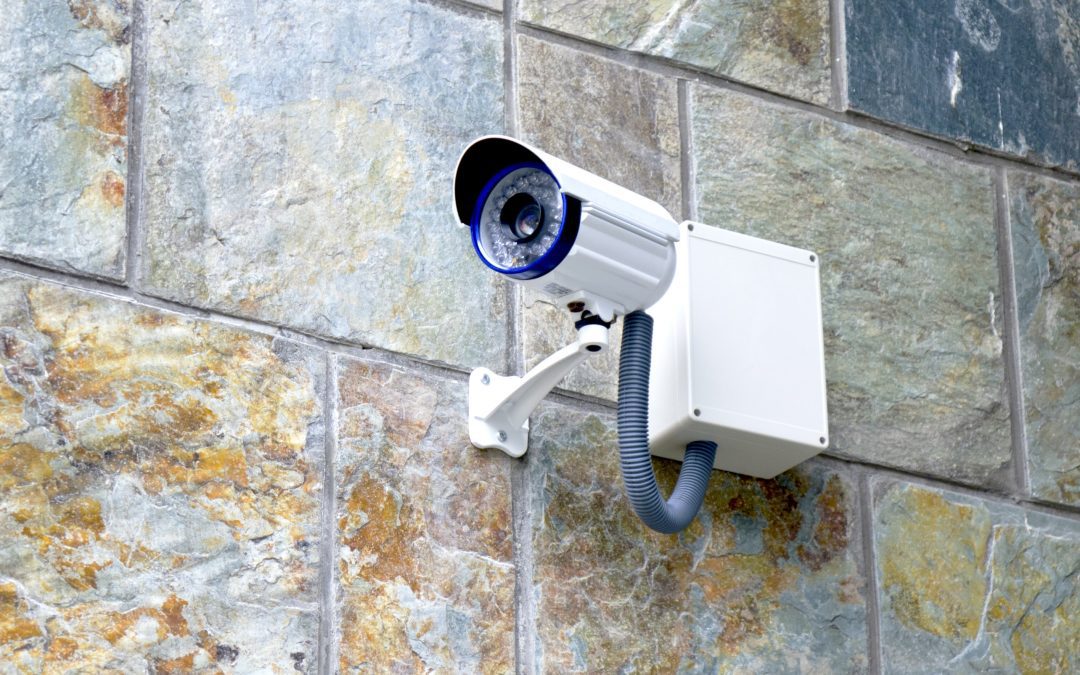
Security cameras can give a business a better view of what happens around its property. But simply putting cameras around the building does not mean every important area has good coverage. A camera in the wrong spot may miss key activity or footage that can be useful.
Good placement starts with understanding the property and how people use it. The main entrance may need a different camera view than a parking area or loading zone. Small placement mistakes affect the entire system, so it helps to know what to look for before installing or moving cameras. Keep reading to learn about common mistakes and how better placement can improve business security.
Mounting Cameras Too High
Businesses often place cameras high on a wall or building to keep them out of reach. While this protects the equipment, mounting a camera too high can make the footage less useful. When the camera sits too far above the area it monitors, it may capture the tops of people’s heads instead of their faces, making important details harder to see.
That is why camera height matters just as much as the direction of the lens. The camera should stay high enough to reduce the risk of damage or tampering while still providing a clear view of the area. Finding the right position helps the camera capture useful footage without creating unnecessary gaps in coverage.
Pointing Cameras the Wrong Way
Even when a camera sits in the right area, it can still miss important activity if it faces the wrong direction. If the camera points toward an open space instead of the path people actually use, someone could move through the property without appearing clearly in the footage. This can leave an important part of the property outside the camera’s view without making the problem obvious at first.
This becomes especially important around entrances. Cameras near building entrances should face the approach to the door, giving them a clear view of people as they arrive and enter. When the lens points too far to the side, it may capture only part of the activity or miss the person altogether. The same issue can happen in areas where employees or customers regularly move through the property, making camera direction an important part of getting reliable coverage.
So before settling on a camera position, take a moment to observe how people move through the area. Pay attention to where they naturally walk and where activity tends to happen. Following these patterns can help you choose a direction that gives the camera a clear and useful view.
Ignoring Lighting Conditions
Once you have considered where people move around the property, the next step is to look at what the camera can actually see. Lighting can greatly affect security footage. Bright sunlight makes details harder to see, while strong lights near an entrance create glare and affect the image. Low light can cause similar problems at night, leaving important areas too dark to capture clear footage.
Because lighting changes throughout the day, check the area at different times before choosing the camera’s final position. A spot that looks clear in the afternoon may become too dark after sunset. Choosing the right location and camera presents a clearer view as the lighting around the property changes.
Leaving Blind Spots
Even with the right camera direction, small gaps can still create problems. A wall or other obstruction may block part of the view, making the gap easy to miss during installation. That gap can become a concern if an incident happens just outside the camera’s view. For this reason, take time to review the camera’s full field of view before finalizing its position. Pay attention to the edges of the frame as well as the main area in front of the lens. This can help reveal potential blind spots and ensure more complete coverage of the property.
Focusing Only on Indoor Areas
Security concerns do not stop at the front door. The areas around a building can provide useful information about what happened before someone entered the property, so businesses should not overlook their outdoor spaces.
Parking areas, exterior doors, walkways, and storage spaces may all need coverage, but that does not mean every outdoor area needs a camera. Start by looking at where people and vehicles regularly approach the property, then consider how that footage can connect with what happens inside. This will give you a clearer view of activity across the property and help prevent coverage gaps.
Overlooking Secondary Entrances
After checking the main entrance and outdoor areas, it is easy to assume the most important access points already have enough coverage. Smaller doors can easily get overlooked even when employees, vendors, or visitors use them throughout the day. This oversight creates gaps in your video surveillance systems and makes it harder to see how someone entered or left the property.
That concern becomes more important around side doors and other less noticeable access points. A camera may need to cover these areas when people regularly use them. Without a clear view of the doorway and the surrounding area, someone could pass through without leaving useful footage.
For a more complete view of your property, walk around the building and follow the paths people use to enter and exit. Viewing each access point from a camera’s perspective can reveal coverage gaps and help you choose a better position before installation.
Using the Same Camera Setup Everywhere
Different areas need different views. A large parking lot may need a wider view, while an entrance may benefit from a closer view that captures more detail.
Using the same camera position throughout the property can make some areas harder to monitor. Instead, think about what you need each camera to see before choosing its location. This approach also helps prevent unnecessary cameras. The goal should be useful coverage, not simply having more equipment on the property.
Not Considering How Cameras Work Together
Once you have reviewed individual camera locations, it is just as important to consider how they work together. Each camera should cover its intended area while also connecting with nearby views. One camera might focus on an entrance while another captures the path leading toward it. Looking at the entire property helps you spot gaps between views and avoid overlaps that add little value.
Good camera placement should help you understand what happened during an incident. Footage from one camera may show where someone entered, while another view can show where they went next. Planning your cameras as one connected system can create more complete coverage and make the footage easier to understand when you need to review it.
Improve Your Business Security System
Good camera placement can make a major difference in how well your security system protects your property. Reviewing camera locations allows you to improve coverage and make your footage more useful when you need it.
If your current cameras leave areas uncovered or you are planning a new security setup, connect with the team at Pro-Techs. A professional assessment can help identify coverage gaps and guide you toward a camera setup that better fits your property and security needs.
Frequently Asked Questions
How far should a security camera be from the area it monitors?
There is no single distance that works for every camera. The ideal position depends on the camera’s lens, viewing angle, height, and what you need to see.
Can security cameras record through glass?
Glass can affect image quality because reflections and changes in light can interfere with the camera’s view. Whenever possible, place the camera outside the glass or in a position that avoids these issues for clearer footage.
How often should a business review its camera placement?
Businesses should review camera placement whenever the property changes or new security concerns arise. Regular checks can also help identify cameras that have shifted or no longer provide the coverage they once did.
Should security cameras face each other?
Cameras do not always need to face each other, but overlapping views can help reduce gaps in coverage.
Do security cameras need to cover every part of a business property?
Not necessarily. A better approach focuses coverage on areas that need the most attention. A professional assessment can help determine which locations require cameras and where additional coverage may provide the most value.
